Skip links
Management

Executive

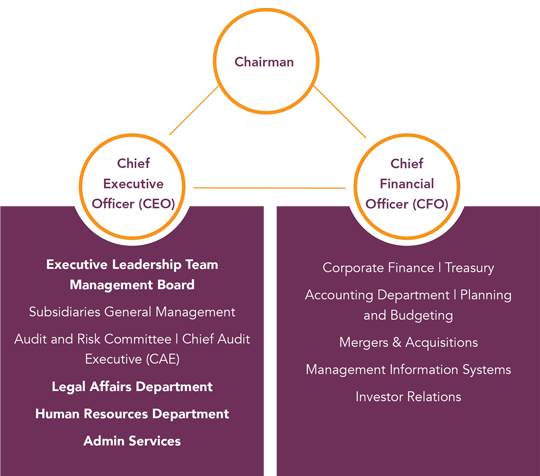
Management Structure

The HEG LLC Board of Directors ultimately leads and controls the Group in all issues of a material or strategic nature, which can impact the reputation and performance of the Group.
The Management Board is a subcommittee of the Board that is mainly responsible for determining policies, monitoring and managing existing investments, identifying and recommending new investment opportunities, and executing the decisions and strategies of the Board. Other issues mandated by the Board are dealt with at the senior management level as permitted in terms of a formal delegation of authority that directs limits of delegation and approval mandates.
The Management Board, together with senior management, also aims to foster a culture of ethical behavior and good governance throughout the Group.

Our Team
01
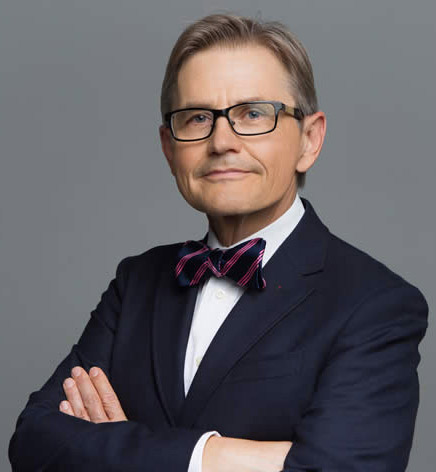
Victor P. Leginsky

Victor P. Leginsky

Founder and Managing Director
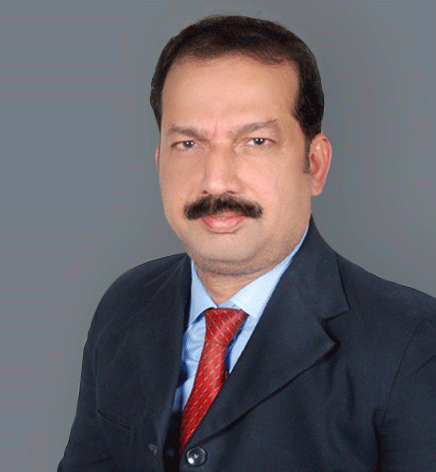
Ershad Thavarayil Moossa

Ershad Thavarayil Moossa

Chief Operations Officer (COO)
30+
Years of experience in transforming forward business thinking into business growth.
32%
ROI on average from successful investments in the past 3 years
534M
AED - Total Net Worth from its exceptional business growth, accrued from strategic and profitable capital investments

Stakeholder Communication & Company Management

HEG LLC has created its services based on meeting our stakeholders’ demands, always keeping them satisfied. The stakeholder model of the organization suggests identifying and addressing all stakeholders according to the stakes that they hold. In practice, this comes down to providing stakeholders with the type of information about the company’s operations in which they have an interest. Each of these stakeholders, according to the shares they hold in an organization, looks for and is interested in certain aspects of the company’s operations. Although the interest of the stakeholders is intricately varied, and, at times, even at odds with one another, it is important for the organization to provide each stakeholder with specific information and build a strong reputation across exchanges with all stakeholders. The model that we use to categorize our stakeholders and their importance is the power and interest matrix. It is based on integrating the levels of influence with the levels of interest that a stakeholder has in the organization.

Stakeholders of HEG

We pay attention to investors as they allocate their funds expecting favorable financial returns. They trust us to achieve long-term increasing returns; so, they typically create them by using capital as investments. We collaborate with a wide variety that has diverse risk tolerances, funds, style preferences, and timeframes. In all cases, their primary concern is to eliminate risks and increase returns. They have a high level of power as they can influence our decisions and strategy combined with a sufficient level of interest in HEG LLC and its structure.

Our company culture is based on employee engagement. We try to keep our employees satisfied by creating an exceptional workplace environment while fostering a team that appreciates the organization and respects our clients. HEG LLC employees have a high level of interest in the organization with a moderate level of influence. We constantly keep them informed based on the power and interest matrix.

In a highly competitive and continually evolving market, we have to consider our competitors as stakeholders that are vital to monitor on a daily basis. They cannot influence our Board’s decisions directly but they are certainly interested in our strategic moves and every new service that we provide to our clients. Our team of experts monitor our competition closely and create quarterly benchmark reports based on market trends and industry statistics.

Our manager, Victor P. Leginsky, is involved in every step of organizing and managing HEG LLC’s strategy along with a team of trusted experts in the management consultancy field. The aforementioned can be characterized as our key players, along with clients, as they combine high levels of power and interest in the organization. They need to be satisfied with the company’s progress to continue investing time, money, and resources into the organization while trying to satisfy client demands and expectations.

This website uses cookies to improve your web experience.